Conference Dates
March 08-10, 2027
The 2nd World Congress on Oncology and Cancer Research is a premier global forum dedicated to advancing cancer research, improving clinical outcomes, and strengthening the continuum of care for patients and survivors worldwide. Scheduled to take place from March 08-10, 2027, in Singapore with full online participation options. Cancer Research 2027 brings together leading oncologists, researchers, clinicians, advocates, policymakers, and multidisciplinary healthcare professionals from across the world. The conference serves as a collaborative platform for sharing groundbreaking scientific insights, exploring emerging innovations, and fostering partnerships that accelerate progress in cancer prevention, diagnosis, treatment, and survivorship.
Guided by the theme “Empowering Survivors: Advocacy, Education, and Community Engagement in Cancer Care,” Cancer Research 2027 emphasizes the vital role of survivor-centered approaches in modern oncology. As cancer care continues to evolve, the perspectives of survivors, caregivers, and community organizations have become indispensable in shaping holistic and sustainable healthcare practices. Through keynote lectures, panel discussions, evidence-based workshops, and interactive sessions, the conference highlights the importance of patient advocacy, health literacy, psychosocial support, and inclusive community participation in improving long-term quality of life for survivors. Cancer Research 2027 aims to strengthen global dialogue on survivorship challenges while showcasing innovative models that empower individuals and communities to take active roles in cancer care.
The Types of Cancer session at this international cancer conference provides a comprehensive overview of the diverse malignancies that affect human populations worldwide. Cancer is not a single disease but a group of conditions with distinct biological characteristics, clinical behaviors, and treatment responses. This session explores major solid tumors and blood cancers, including breast, lung, gastrointestinal, gynecological, prostate, head and neck, and pediatric cancers. Participants will gain insight into how cancer types differ in terms of cellular origin, growth patterns, genetic alterations, and risk factors. Emphasis is placed on understanding disease heterogeneity, classification systems, and staging principles that guide diagnosis and prognosis across different cancer types.
The session also highlights advances presented at major oncology conferences, focusing on evolving diagnostic approaches and treatment strategies tailored to specific cancers. Discussions will cover how therapeutic modalities such as surgery, radiation, chemotherapy, targeted therapy, and immunotherapy are selected based on cancer type and disease stage. Attention is given to rare and orphan cancers, which pose unique diagnostic and therapeutic challenges due to limited clinical data. By integrating clinical insights with emerging findings from cancer research, this session connects foundational knowledge with current innovations shaping modern oncology practice. Designed for oncologists, clinicians, researchers, nurses, and allied healthcare professionals, the session supports evidence-based decision-making and promotes a holistic understanding of cancer diversity in contemporary healthcare.
Key Highlights
Why This Session Is Important
The Cancers by Anatomical Site session at this international cancer conference offers a comprehensive framework for understanding malignancies based on their organ and tissue of origin. Anatomical classification remains fundamental in oncology, as the site of cancer development directly influences clinical presentation, disease progression, treatment selection, and prognosis. This session examines organ-specific cancers affecting major body systems, including breast, lung, gastrointestinal, hepatobiliary, gynecological, genitourinary, neurological, and musculoskeletal regions. Participants will explore site-based epidemiology, risk factors, pathological characteristics, and patterns of local invasion and metastasis. Emphasis is placed on accurate diagnosis, staging, and early detection, enabling clinicians to tailor care pathways according to anatomical location and disease extent.
The session further integrates contemporary advances highlighted at leading oncology conferences, focusing on site-adapted diagnostic techniques and evolving therapeutic strategies. Discussions will cover how surgical approaches, radiation planning, systemic therapies, and immunotherapy differ across anatomical sites, reflecting tumor biology and surrounding organ sensitivity. Multidisciplinary care models, survivorship considerations, and variations in outcomes across populations are also addressed. By incorporating insights from ongoing cancer research, this session bridges foundational anatomical knowledge with translational and clinical innovation. Designed for oncologists, surgeons, radiologists, pathologists, researchers, and allied healthcare professionals, the session provides a practical and research-informed perspective on how anatomical classification continues to guide modern cancer management and improve patient-centered outcomes.
Key Highlights
Why This Session Is Important
The Cancer Epidemiology session at this international cancer conference focuses on understanding the distribution, determinants, and burden of cancer across populations worldwide. Epidemiology plays a critical role in identifying cancer trends, risk factors, and preventive strategies that inform public health policies and clinical practice. This session examines global and regional patterns of cancer incidence, prevalence, and mortality, highlighting variations by age, gender, ethnicity, and geography. Participants will explore the influence of genetic predisposition, environmental exposures, lifestyle factors, infections, and occupational hazards on cancer development. Emphasis is placed on population-based studies, cancer surveillance systems, and registries that provide essential data for monitoring disease trends and evaluating prevention efforts.
The session also integrates insights discussed at leading oncology conferences, focusing on how epidemiological evidence guides cancer prevention, early detection, and screening programs. Discussions will address health disparities, access to care, and socioeconomic factors contributing to unequal cancer outcomes across populations. The role of big data, digital health tools, and advanced analytics in strengthening epidemiological research is also explored. By linking population-level findings with translational insights from cancer research, this session demonstrates how epidemiology supports evidence-based decision-making and resource allocation. Designed for oncologists, public health professionals, researchers, policymakers, and healthcare providers, the session provides a comprehensive understanding of how epidemiological principles drive cancer control strategies and shape the future of oncology.
Key Highlights
Why This Session Is Important
The Causes of Cancer session at this international cancer conference explores the complex and multifactorial mechanisms that lead to malignant transformation and tumor development. Cancer arises from the accumulation of genetic and epigenetic alterations that disrupt normal cellular regulation, often driven by a combination of inherited susceptibility and external exposures. This session examines major causative factors, including genetic mutations, environmental toxins, lifestyle behaviors, infections, hormonal influences, and radiation exposure. Participants will gain insight into how these factors initiate and promote carcinogenesis through DNA damage, genomic instability, altered cell signaling, and immune evasion. Understanding these mechanisms is essential for identifying individuals at risk and developing effective prevention strategies.
The session also highlights evidence presented at leading oncology conferences, emphasizing how advances in molecular and population studies are refining our understanding of cancer causation. Discussions will address gene–environment interactions, the role of chronic inflammation, and age-related biological changes that contribute to cancer susceptibility. Preventive implications, including risk reduction, vaccination, environmental regulation, and behavioral interventions, are integrated throughout the session. By connecting mechanistic insights with findings from cancer research, this session demonstrates how knowledge of cancer causes informs prevention, early detection, and public health policies. Designed for oncologists, researchers, clinicians, public health professionals, and allied healthcare providers, the session provides a foundational perspective on why cancers develop and how this understanding can be translated into meaningful cancer control strategies.
Key Highlights
Why This Session Is Important
The Role of Artificial Intelligence in Oncology session at this international cancer conference explores how advanced computational technologies are transforming cancer care across the entire clinical continuum. Artificial intelligence is increasingly applied to oncology for early detection, accurate diagnosis, treatment planning, and outcome prediction. This session examines the use of machine learning, deep learning, and data-driven algorithms in medical imaging, digital pathology, genomics, and clinical data interpretation. Participants will gain insight into how AI enhances diagnostic accuracy, reduces inter-observer variability, and supports timely decision-making. The session also highlights how large-scale datasets, including electronic health records and imaging repositories, are leveraged to identify complex patterns that may not be evident through conventional analytical methods.
Building on these foundations, the session integrates emerging innovations presented at leading oncology conferences, focusing on the role of AI in personalized cancer care. Discussions will address predictive modeling for treatment response, toxicity assessment, and survival outcomes, as well as AI-supported clinical decision systems that assist multidisciplinary teams. The application of artificial intelligence in drug discovery, clinical trial design, and real-world evidence generation is also explored. Ethical considerations, data privacy, algorithm transparency, and regulatory frameworks are discussed to ensure responsible and equitable adoption of AI technologies. By incorporating insights from ongoing cancer research, this session connects technological innovation with clinical applicability. Designed for oncologists, researchers, data scientists, clinicians, and healthcare leaders, the session provides a balanced perspective on opportunities, limitations, and future directions of artificial intelligence in modern oncology practice.
Key Highlights
Why This Session Is Important
The Cancer Pathophysiology session at this international cancer conference provides a detailed understanding of the biological mechanisms that drive cancer initiation, progression, and resistance to therapy. Cancer pathophysiology examines how normal cells undergo malignant transformation through accumulated genetic and epigenetic changes that disrupt cell cycle regulation, apoptosis, and DNA repair. This session explores key processes such as abnormal cell signaling, genomic instability, tumor angiogenesis, immune escape, and metabolic reprogramming. Participants will gain insight into how these interconnected mechanisms contribute to tumor growth, invasion, and metastasis, forming the biological foundation of diverse cancer phenotypes. Understanding these processes is essential for linking molecular abnormalities to clinical behavior and treatment response.
The session also highlights advances presented at major oncology conferences, emphasizing how improved knowledge of cancer pathophysiology is translating into novel therapeutic strategies. Discussions will address tumor heterogeneity, cancer stem cells, and mechanisms of resistance that limit treatment effectiveness. The role of the tumor microenvironment and host immune interactions in shaping disease progression is also examined. By integrating mechanistic insights from cancer research, this session bridges basic science with clinical oncology, supporting the development of targeted therapies, immunotherapies, and combination approaches. Designed for oncologists, researchers, clinicians, and biomedical scientists, the session provides a comprehensive framework for understanding the biological complexity of cancer and its implications for diagnosis, prognosis, and personalized treatment.
Key Highlights
Why This Session Is Important
The Pediatric Oncology session at this international cancer conference focuses on the unique biological, clinical, and psychosocial aspects of cancers occurring in infants, children, and adolescents. Childhood cancers differ significantly from adult malignancies in terms of cellular origin, genetic drivers, disease progression, and response to therapy. This session explores common pediatric cancers, including leukemia, lymphoma, brain tumors, bone sarcomas, and soft tissue malignancies. Participants will gain insight into developmental and genetic factors that influence tumor behavior, as well as age-specific diagnostic and staging approaches. Emphasis is placed on early detection, risk stratification, and multidisciplinary care models designed to meet the complex needs of pediatric patients and their families.
The session also highlights advances discussed at leading oncology conferences, focusing on innovations in pediatric cancer treatment and supportive care. Topics include the expanding role of targeted therapies, immunotherapy, and precision medicine approaches tailored to the developing child. Discussions will address long-term survivorship, late effects of treatment, neurocognitive outcomes, and quality of life, reflecting the growing population of childhood cancer survivors. Ethical considerations, clinical trial participation, and family-centered decision-making are also explored. By integrating findings from ongoing cancer research, this session connects biological discovery with clinical practice, aiming to improve cure rates while minimizing treatment-related toxicity. Designed for pediatric oncologists, clinicians, researchers, nurses, and allied healthcare professionals, the session provides a comprehensive perspective on advancing care and outcomes in pediatric oncology.
Key Highlights
Why This Session Is Important
The Precision Oncology session at this international cancer conference focuses on tailoring cancer treatment based on the unique molecular and genetic characteristics of each patient’s tumor. Precision oncology represents a paradigm shift from traditional, one-size-fits-all approaches to highly individualized cancer care. This session explores advances in tumor genomics, molecular profiling, and biomarker discovery that enable clinicians to identify actionable targets and predict treatment response. Participants will gain insight into how next-generation sequencing, liquid biopsy technologies, and companion diagnostics are transforming cancer diagnosis, prognosis, and therapeutic decision-making. Emphasis is placed on integrating molecular data into routine clinical workflows to optimize outcomes and reduce unnecessary toxicity.
The session also highlights innovations presented at major oncology conferences, emphasizing the growing role of targeted therapies, immunotherapy combinations, and adaptive treatment strategies guided by molecular insights. Discussions will address pharmacogenomics, resistance mechanisms, and tumor heterogeneity, as well as the design of precision-driven clinical trials such as basket and umbrella studies. Challenges related to data interpretation, cost, accessibility, and ethical considerations are explored, alongside the role of multidisciplinary molecular tumor boards. By integrating evidence from ongoing cancer research, this session bridges discovery science with clinical application, supporting evidence-based implementation of precision medicine in oncology. Designed for oncologists, researchers, pathologists, geneticists, and healthcare professionals, the session provides a comprehensive overview of how precision oncology is reshaping cancer treatment and improving patient-centered care.
Key Highlights
Why This Session Is Important

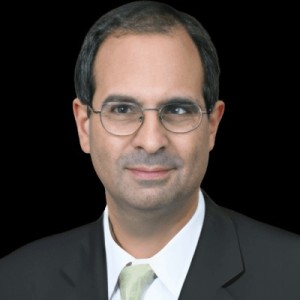

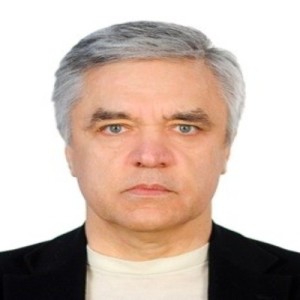
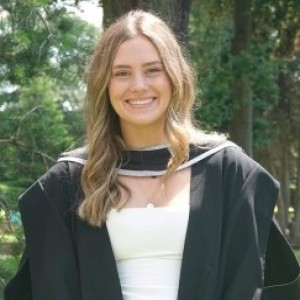
Royal Devon and Exeter University , United Kingdom

Dana Farber Cancer Institute, United States
INI Grottaferrata, Italy

University of allahabad, India

Sahloul university hospital, Tunisia
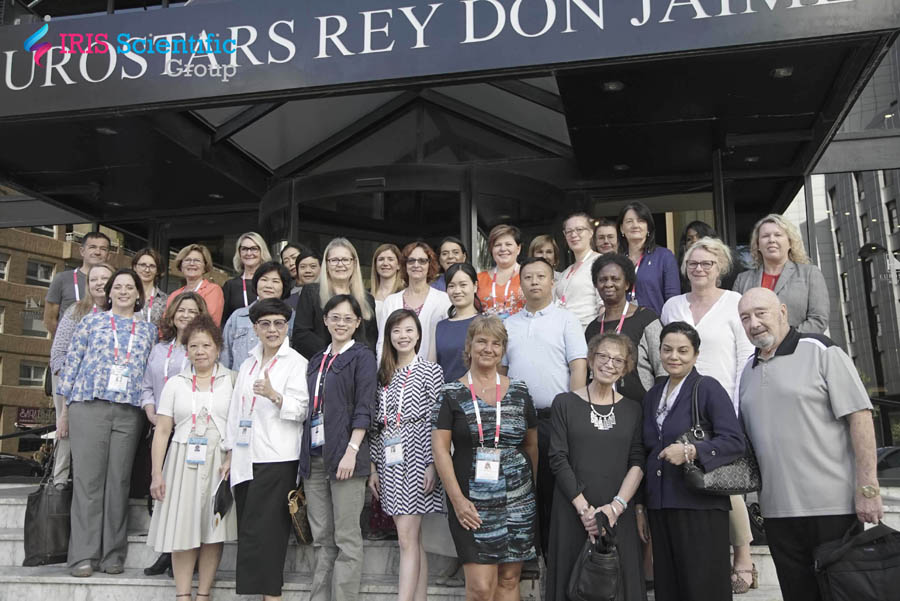
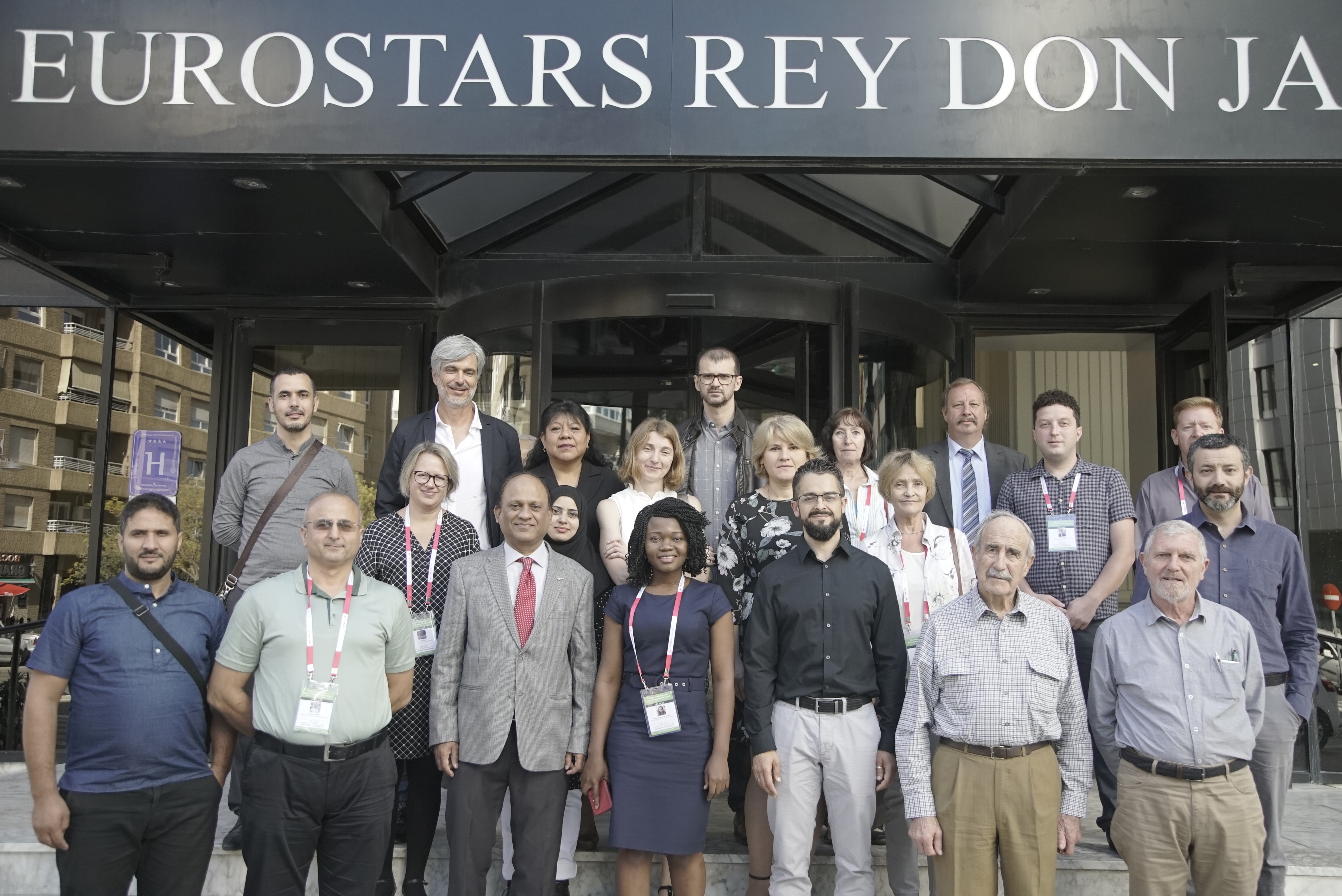
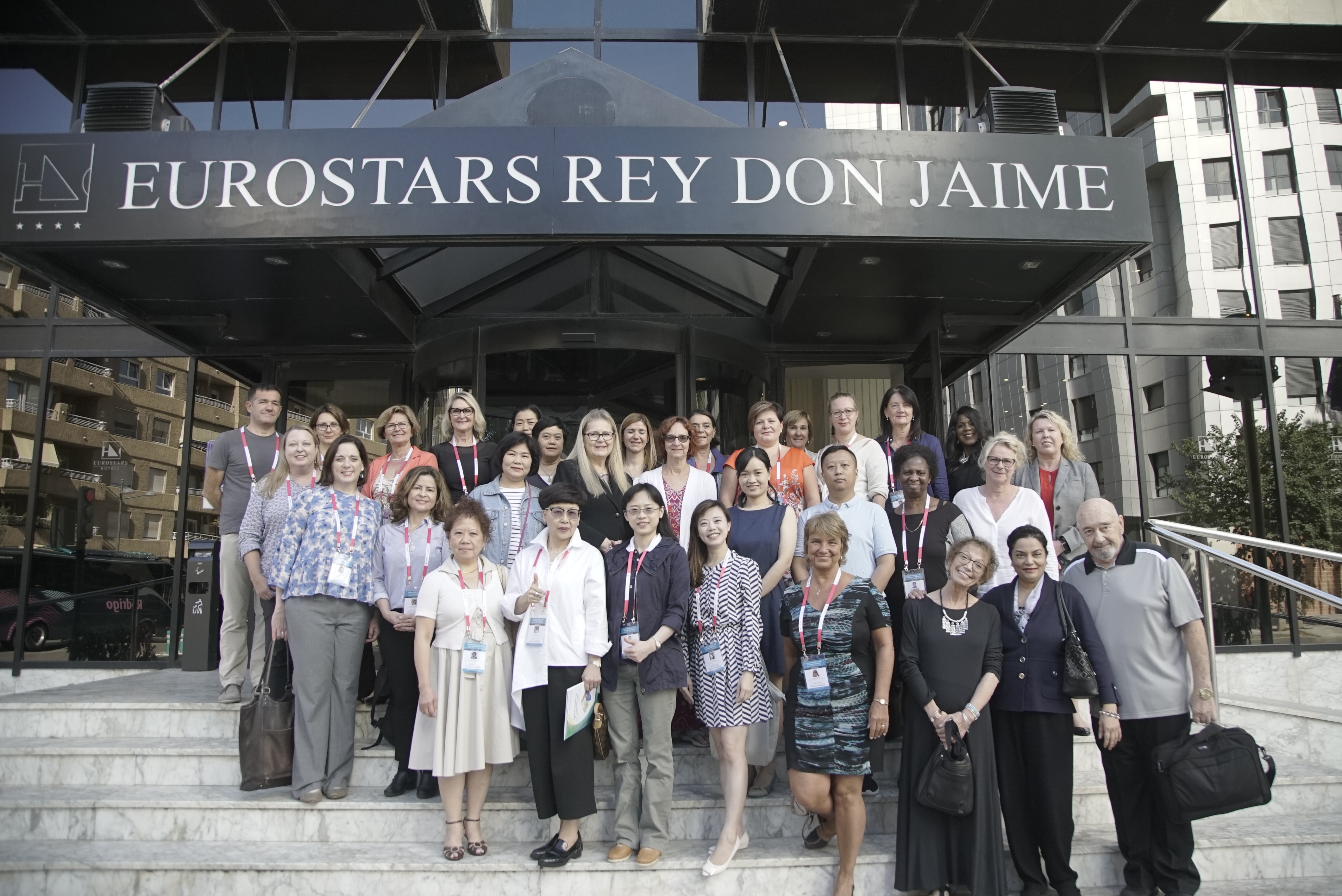
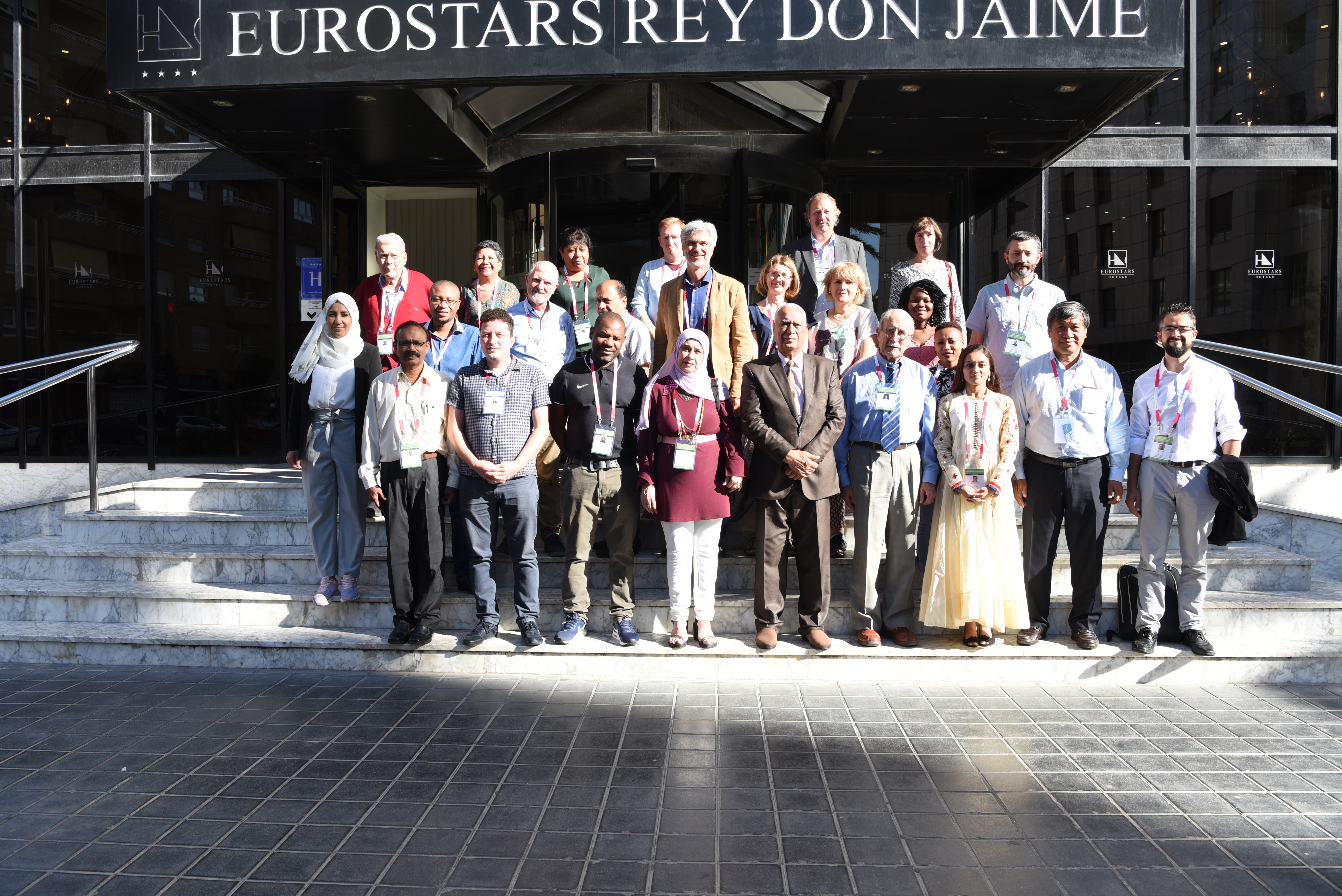
Iris Scientific Group takes great pride in announcing the successful outcome of the World Health Care and Nursing Conference (WHCN 2019) which was held in Valencia, Spain from September 23-25, 2019.
For WHCN 2019 Final Program: Click here
For WHCN 2019 Proceedings: Click Here
For WHCN 2019 Gallery: Click Here
In 2019 we were honored with the presence of renowned session leaders and keynote speakers worldwide. We want to thank the scientific committee for their dedicated participation, intellectual expertise, and their high-quality presentations.
Organizing Committee of WHCN 2019:
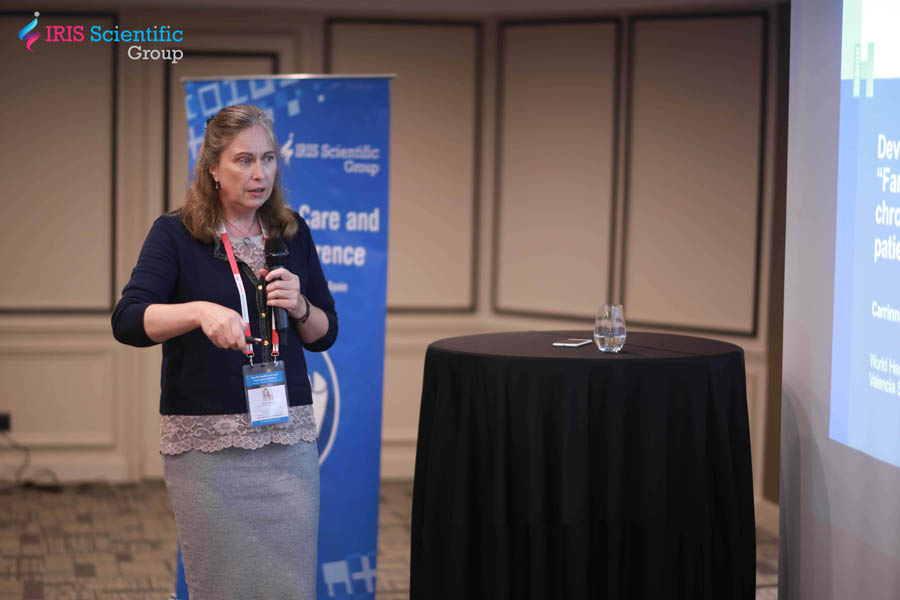
The Organizing Committee would like to thank the moderators Angela O'Connor, King Edward Memorial Hospital, Australia, and Carrinna A. Hansen, University of Copenhagen, Denmark for their contribution which ensued in the smooth functioning of the conference.
Iris Scientific Group is prerogative to thank the Organizing Committee Members, Keynote speakers; Chairs on engross the plenary sessions, workshops, and special sessions in an expanded manner to make this conference a privileged.
Nursing Conference 2019 Keynote Speakers:
Nursing Conference Speakers:
Nursing Conference 2019 Workshops:
Cynthia Horton, Cecil College, USA
Merita Kaunisto, Kuopio University Hospital, Finland
Hanna-Mari Nevala, Savonia University of Applied Sciences, Finland
Tiina Arpola, Savonia University of Applied Sciences, Finland
Nursing Conference 2019 Poster Presenters:
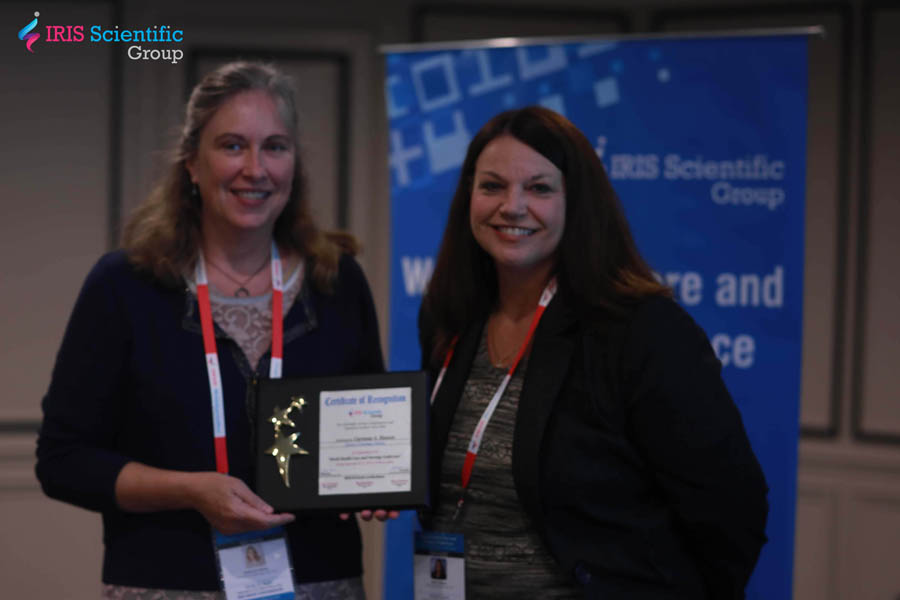
We congratulate the Best poster award winner Chantira Chiaranai, Suranaree University of Technology, Thailand. We would also like to thank Cynthia Horton, Cecil College, USA who supported us by evaluating the posters.
We thank all the participants for their magnificent contribution towards the event which facilitated us for the successful accomplishment of this event.
We greatly hope to see you again, with added vigor and with your other colleagues in "3rd International Nursing Networking Conference (INNC-2025)" during April 23-25, 2025, at Las Vegas, USA, and in Virtual format.
Iris Scientific Group takes great pride in announcing the successful outcome of the World Catalysis and Chemical Engineering Network Congress (WCCN 2025) which was held in Virtual Mode from April 23-25, 2025.
For WCCN 2025 Final Program: Click Here
In 2025 we were honored with the presence of renowned session leaders and keynote speakers worldwide. We want to thank the scientific committee for their dedicated participation, intellectual expertise, and their high-quality presentations.
Organizing Committee of WCCN 2025:
The Organizing Committee would like to thank the moderators Maria Jose Lavorante, Institution of Scientific and Technological Research for Defense, Argentina and Rahul Hajare, Sandip University, India for their contribution which ensued in the smooth functioning of the conference.
Iris Scientific Group is prerogative to thank the Organizing Committee Members, Keynote speakers; Chairs on engross the plenary sessions, workshops, and special sessions in an expanded manner to make this conference a privileged.
WCCN 2025 Keynote Speakers:
WCCN 2025 Plenary Speakers:
WCCN 2025 Speakers:
We thank all the participants for their magnificent contribution towards the event which facilitated us for the successful accomplishment of this event.
We greatly hope to see you again, with added vigor and with your other colleagues in “2nd World Catalysis and Chemical Engineering Network Congress (WCCN 2026)” during April 22-24, 2026. WCCN 2026 will be a hybrid event, offering both in-person and virtual participation options, allowing attendees to engage from anywhere in the world.
Iris Scientific Group takes great pride in announcing the successful outcome of the 3rd International Nursing Networking Conference (INNC 2025) which was held in Virtual Mode from April 23-25, 2025.
For INNC 2025 Final Program: Click Here
In 2025 we were honored with the presence of renowned session leaders and keynote speakers worldwide. We want to thank the scientific committee for their dedicated participation, intellectual expertise, and their high-quality presentations.
Organizing Committee of INNC 2025:
The Organizing Committee would like to thank the moderators Sofica Bistriceanu, Academic Medical Unit - CMI, Romania, and Anum Fatima, Chiang Mai University, Thailand for their contribution which ensued in the smooth functioning of the conference.
Iris Scientific Group is prerogative to thank the Organizing Committee Members, Keynote speakers; Chairs on engross the plenary sessions, workshops, and special sessions in an expanded manner to make this conference a privileged.
INNC 2025 Keynote Speakers:
INNC 2025 Speakers:
INNC 2025 Poster Presenters:
We thank all the participants for their magnificent contribution towards the event which facilitated us for the successful accomplishment of this event.
We greatly hope to see you again, with added vigor and with your other colleagues in “4th International Nursing Networking Conference (INNC 2026)” during April 13-15, 2026. INNC 2026 will be a hybrid event, offering both in-person and virtual participation options, allowing attendees to engage from anywhere in the world.
Iris Scientific Group takes great pride in announcing the successful outcome of the International Cancer Conference (ICC 2025) which was held in Virtual Mode from November 27-29, 2025.
For ICC 2025 Final Program: Click Here
In 2025 we were honored with the presence of renowned session leaders and keynote speakers worldwide. We want to thank the scientific committee for their dedicated participation, intellectual expertise, and their high-quality presentations.
Organizing Committee of ICC 2025:
The Organizing Committee would like to thank the moderators Don Mathew, Pacific Medical College & Hospital, India for his contribution which ensued in the smooth functioning of the conference.
Iris Scientific Group is prerogative to thank the Organizing Committee Members, Keynote speakers; Chairs on engross the plenary sessions, workshops, and special sessions in an expanded manner to make this conference a privileged.
ICC 2025 Keynote Speakers:
ICC 2025 Speakers:
We thank all the participants for their magnificent contribution towards the event which facilitated us for the successful accomplishment of this event.
We greatly hope to see you again, with added vigor and with your other colleagues in “2nd Edition of International Cancer Conference (ICC 2026)” during November 09-11, 2026. ICC 2026 will be a hybrid event, offering both in-person and virtual participation options, allowing attendees to engage from anywhere in the world.
Iris Scientific Group takes great pride in announcing the successful outcome of the Global Conference on Material Science and Nanotechnology (GCMN 2025) which was held in Virtual Mode from April 28-30, 2025.
For GCMN 2025 Final Program: Click Here
In 2025 we were honored with the presence of renowned session leaders and keynote speakers worldwide. We want to thank the scientific committee for their dedicated participation, intellectual expertise, and their high-quality presentations.
Organizing Committee of GCMN 2025:
The Organizing Committee would like to thank the moderators Santoshi Misra, St. Ann's College for women, India for her contribution which ensued in the smooth functioning of the conference.
Iris Scientific Group is prerogative to thank the Organizing Committee Members, Keynote speakers; Chairs on engross the plenary sessions, workshops, and special sessions in an expanded manner to make this conference a privileged.
GCMN 2025 Keynote Speakers:
GCMN 2025 Plenary Speakers:
GCMN 2025 Speakers:
GCMN 2025 Poster Presenters:
We thank all the participants for their magnificent contribution towards the event which facilitated us for the successful accomplishment of this event.
We greatly hope to see you again, with added vigor and with your other colleagues in “2nd Global Conference on Material Science and Nanotechnology (GCMN 2026)” during April 13-15, 2026.
GCMN 2026 will be a hybrid event, offering both in-person and virtual participation options, allowing attendees to engage from anywhere in the world.


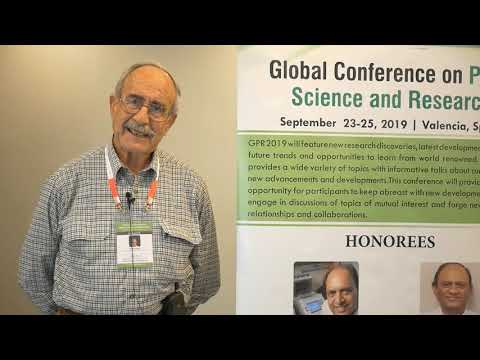
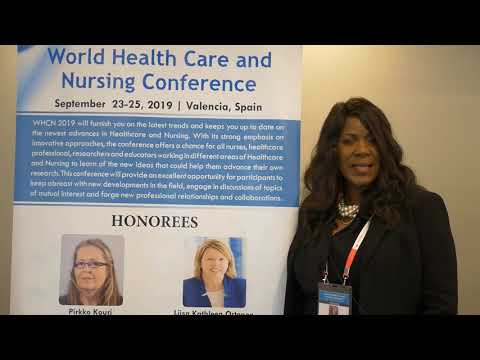
Thank YOU! For a wonderful experience. I met so many amazing people from all over the world and many of us bonded going forward. All the presentations were full of new and exciting things to hear and the hotel was just lovely. I enjoyed every minute.
 Penny Daugherty
Northside Hospital Cancer Institute, USA
Penny Daugherty
Northside Hospital Cancer Institute, USA
I met some extraordinary nurses from all over and was so impressed with their work
 Elaine Clear
St Vincent's University Hospital, Ireland
Elaine Clear
St Vincent's University Hospital, Ireland
Such a distinguished conference and the entire magnificent organization
 Elena Baixauli Gallego
University of Valencia, Spain
Elena Baixauli Gallego
University of Valencia, Spain
Overall, the Conference was a success. Interesting topics and excellent speakers
 Elvessa Narvasa
Canadian Council of Cardiovascular Nurses, Canada
Elvessa Narvasa
Canadian Council of Cardiovascular Nurses, Canada
Thank you very much for a nice and interesting conference in Valencia, I really enjoyed it!
 Carrinna A. Hansen
University of Copenhagen, Denmark
Carrinna A. Hansen
University of Copenhagen, Denmark
The conference added value to me on medical robots as I would like to apply them to Zambia.
 Margaret C. Maimbolwa
University of Zambia, Zambia
Margaret C. Maimbolwa
University of Zambia, Zambia
An amazing scientifically enriching continued professional development meaningful experience with a brilliant platform for dynamic collaborations with interactive discussions and expert opinion-insights offering fascinating translational/public health avenues for evidence-based novel immunotherapy regimens and eventual design of predictive biomarkers for cost-effective disease management of inflammatory diseases with emphasis on evidence-based health management viz. gynecologic disorders/diseases in women of diverse genetic landscapes and lifestyles.
 Saumya Pandey
Indira IVF Hospital, India
Saumya Pandey
Indira IVF Hospital, India
The INNC platform provides information from various fields in healthcare for nurses, researchers, educators, administrators, policymakers, and students to improve their knowledge and experiences. In this new digital era, exchanging information in a real and virtual community promises to be a more efficient and attractive way to enrich our lives, foster meaningful relationships, and build a comprehensive and informative database for a better inner world and existence. Participation in these events gratifies people with credentials, recognizing their involvement in learning and contribution to science advancement.
 Sofica Bistriceanu
Academic Medical Unit - CMI, Romania
Sofica Bistriceanu
Academic Medical Unit - CMI, Romania
Dear colleagues, thank you for the honor and opportunity to participate in the conference! As always, the geography of the participants, the diversity of topics, and the breadth of interests are pleasing. Various aspects related to nursing, teaching methods, and preventive medicine were important. Such a broad exchange of opinions serves mutual enrichment, deepening mutual understanding, and international cooperation. I wish you further success and prosperity!
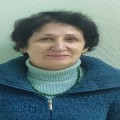 Petrova Nataliya
Saint Petersburg State I. P. Pavlov Medical University, Russian Federation
Petrova Nataliya
Saint Petersburg State I. P. Pavlov Medical University, Russian Federation
Thank you for allowing me to participate in the conference. It was indeed an honor to share information with colleagues from around the world in a virtual setting. By using this technology platform, we are able to become more engaged and immersed in clinical research which truly can make an impact on future clinical practice. I am looking forward to the next INCC conference where knowledge is exchanged and shared.
 Daryle Wane
Pasco-Hernando State College, United States
Daryle Wane
Pasco-Hernando State College, United States
It was my first participation on an international conference. It was a very valuable and exciting experience for me. The special thing was to understand the different participants because of their mother tongue. My greatest fear was not to be able to understand the others, an other doubt was the insufficiency of my english. so, my advice for every new participant is not to be too nervous, because this event is great and connects us! It would be great to stay in touch.
Wish you all the best and hope to hear from you!!
 Schaffer Daniela
Klagenfurt Hospital, Austria
Schaffer Daniela
Klagenfurt Hospital, Austria
International Nursing Networking Conference (INNC) 2025. Attending INNC 2025 was an incredible experience. I connected with passionate professionals from around the world, gained valuable insights, and left feeling truly inspired. The sessions were impactful, the networking was genuine, and it reminded me why I chose nursing in the first place. I'm grateful for the opportunity and highly recommend it to anyone in the field.
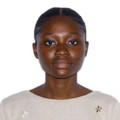 Lilian Sitsofe Ziga
Nursing and midwifery training college Odumase krobo, Ghana
Lilian Sitsofe Ziga
Nursing and midwifery training college Odumase krobo, Ghana
I had the honor of participating with you in your major scientific conference. I hope you will share the conference documents with me. Thank you for the opportunity. I am currently developing a detailed protocol on the role and policies of nursing during disasters and catastrophes, including the role of nursing in nuclear disasters. I hope to have future scientific meetings to share and develop science.
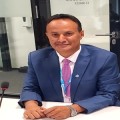 Yousef Ahmed Al shaabi
Sanaa University, Yemen
Yousef Ahmed Al shaabi
Sanaa University, Yemen
Great greetings, Thanks a lot for your great efforts & unlimited care. It was a great & valuable conference. All presentations were fruitful. Looking for more future collaboration.
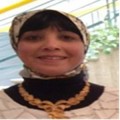 Eman Salman Taie
Helwan University, Egypt
Eman Salman Taie
Helwan University, Egypt
I sincerely appreciate the privilege to be part of the participants at GCMN 2025. The conference was indeed an eye opener to the advancements in Material Science in various continents of the earth. The conference was really a success. Special thanks to the organizers of the academic conference for their hard work and support given to all participants before, during and after the scheduled conference activities.
 Olaniyi Awe
Obafemi Awolowo University, Nigeria
Olaniyi Awe
Obafemi Awolowo University, Nigeria

Copyright © 2021 IRIS Scientific Group | All Rights Reserved Terms and Conditions | Privacy Policy